

Keep, Cover, Reupholster or Replace? What to Do With Your Sofa After Moving

Moving into a new home can make familiar furniture look very different. A sofa that worked well in the previous room may feel too dark, too large, worn or simply mismatched with the new surroundings.
That does not automatically mean it needs replacing. The useful question is whether the problem is structural, functional or cosmetic. Once you identify that, it becomes easier to decide whether to keep the sofa as it is, add a cover, reupholster it or replace it.
Option 1: Keep the Sofa As It Is
Keep the sofa unchanged when it is comfortable, in good condition and already works with the room. Sometimes the furniture only looks unfamiliar because the lighting, flooring or wall colour has changed.
Before spending money, live with the room for a short period and test different furniture positions if space allows.
Option 2: Add a Removable Sofa Cover
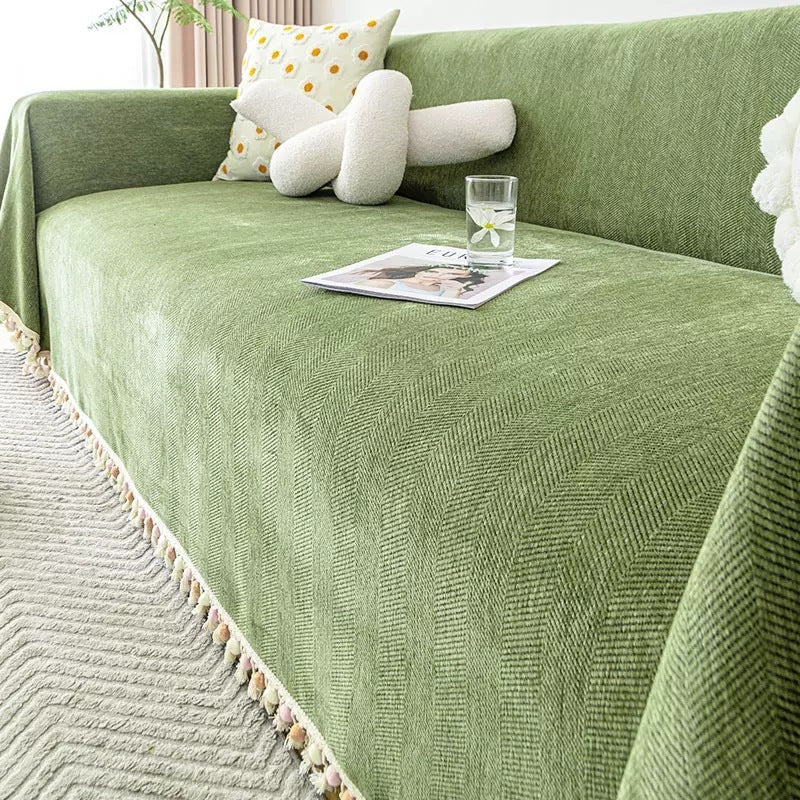
A cover may suit a sofa that is structurally sound but has cosmetic wear or a colour and texture that no longer works with the new room.
- It creates a removable visual change.
- It can add a separate layer over the original upholstery.
- It allows you to change the look again later.
- It can be useful when you rent or expect another move.
Protection, grip, washability and waterproofing are product-specific, so check the exact cover rather than assuming all covers perform the same way.
Option 3: Reupholster the Sofa
Reupholstery can make sense when you want a more permanent finish or when an otherwise valuable sofa needs upholstery work. Professional work can also address some padding or support issues depending on the job.
See our sofa covers vs reupholstery comparison for a detailed breakdown.
Option 4: Replace the Sofa
Replacement may be the more sensible choice when the frame is damaged, the seating is no longer comfortable, the sofa is unsuitable for the new room or repair costs do not make sense for the furniture.
A cover should not be used to hide a structural problem that affects safe or comfortable use.
Check the New Room Before Deciding
Measure the available floor area, doorways and circulation paths. A sofa that physically fit the old home may dominate a smaller room or block movement in the new one.
- Measure wall-to-wall space.
- Leave clear walking routes.
- Check balcony, hallway and door access.
- Consider the position of windows, heaters and direct sunlight.
If You Choose a Cover, Measure the Sofa Again
Use actual dimensions rather than relying only on seat count. Record overall width, seat width and depth, backrest height, arm dimensions and any chaise or modular sections.
Use the Sofa Cover Size Guide Australia and our step-by-step measurement guide.
Choose Material Based on Use, Not Just Appearance
Texture, fit, maintenance and protection requirements all matter. Chenille can provide a soft textured look, while stretch or tailored constructions create different fitting results. Households with pets, children or frequent spills may prioritise different features.
Our Sofa Cover Materials & Fit Guide Australia compares the main options.
Decision Checklist
| If your main issue is... | Consider... |
|---|---|
| The sofa simply looks different in the new room | Keep it temporarily and restyle the room |
| Cosmetic wear or colour mismatch | A removable sofa cover |
| You want a permanent fabric change | Professional reupholstery |
| Structural damage or unsuitable size | Repair assessment or replacement |
Final Takeaway
Do not replace a usable sofa only because the new room makes it look unfamiliar. First check its condition, dimensions and how it functions in the space. If the issue is mainly cosmetic, a removable cover may be one option; if the problem is structural or you want a permanent restoration, reupholstery or replacement may be more appropriate.
If a removable option suits your sofa, browse the Sofa Covers collection and compare the exact measurements and features of the available covers.
Add Effortless Luxury to Your Home with the New Light Chenille Sofa Throw
Sofa Cover Ideas for Renters & Small Apartments in Australia
Continue reading

Best Waterproof Couch Covers for Dogs in Australia: What Actually Works?

Waterproof vs Water-Resistant Sofa Covers: What's the Difference?

How to Stop a Couch Cover From Sliding

Chenille vs Stretch Sofa Covers: Which Is Better?

Best Sofa Covers for Large Dogs & Family Lounges

Dog-Proof Couch Covers: What Actually Works and What Doesn't

Best Couch Covers for Muddy Paws & Wet Dogs
